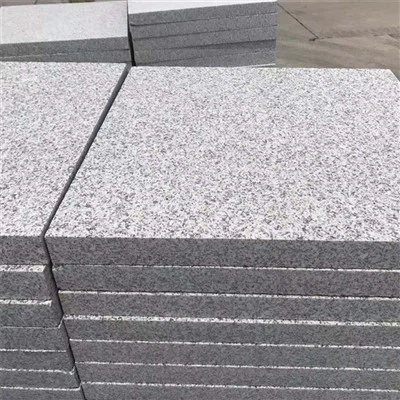
As a supplier of heterotypic granite, I've always been intrigued by the unexpected connections between this unique material and paleontology. Heterotypic granite, with its distinct irregularities and diverse textures, offers more than just aesthetic appeal in construction and design. It holds a hidden story that links it to the ancient world of fossils and prehistoric life.
The Geological Origins of Heterotypic Granite
To understand the paleontological associations with heterotypic granite, we first need to delve into its geological origins. Granite is an igneous rock formed from the slow crystallization of magma beneath the Earth's surface. Heterotypic granite, however, is characterized by its non - uniform structure, which can be the result of various geological processes such as differential cooling, the presence of different mineral compositions, and tectonic activities.
During the formation of granite, the Earth was a very different place. The continents were in different positions, and the climate was often extreme. These conditions were conducive to the evolution and preservation of a wide variety of life forms. As magma slowly cooled and solidified into granite, it sometimes captured fragments of the surrounding environment, including fossils. Although the high temperatures involved in granite formation would typically destroy most organic matter, in some cases, traces of ancient life could be preserved in a more subtle form.
For example, some heterotypic granite may contain inclusions of sedimentary rocks that were incorporated during the magma's ascent through the Earth's crust. These sedimentary inclusions could have been home to fossils of ancient plants, animals, or even microorganisms. While it's rare to find complete, well - preserved fossils in granite, these inclusions can provide valuable clues about the paleoenvironment in which the granite formed.
Paleontological Clues in Heterotypic Granite
One of the most significant paleontological clues in heterotypic granite is the presence of trace fossils. Trace fossils are not the actual remains of an organism but rather the marks left by their activities, such as burrows, footprints, or feeding trails. In heterotypic granite, these trace fossils can be preserved in the sedimentary inclusions or in the form of subtle deformations in the rock's structure.
For instance, if an ancient organism burrowed through the sediment that was later incorporated into the granite magma, the burrow could be preserved as a distinct tubular structure within the rock. These trace fossils can tell us a great deal about the behavior and ecology of the organisms that lived in the area millions of years ago. They can provide information about the type of environment, such as whether it was a marine or terrestrial setting, and the presence of other organisms in the ecosystem.
Another aspect is the study of the mineral composition of heterotypic granite in relation to paleontology. Certain minerals in granite can be indicators of the paleo - climate and the geological conditions at the time of formation. For example, the presence of specific minerals like glauconite can suggest a marine environment with low - energy conditions and a relatively high sedimentation rate. By analyzing the mineralogy of heterotypic granite, paleontologists can reconstruct the ancient landscapes and ecosystems that once existed.
Applications of Heterotypic Granite in Paleontological Research
Heterotypic granite has practical applications in paleontological research as well. Its unique properties make it a valuable material for creating models and replicas of fossils. The irregular texture and color variations of heterotypic granite can be used to mimic the appearance of ancient rocks and fossils, providing a more realistic representation for educational and research purposes.
In addition, the durability of heterotypic granite makes it suitable for long - term display of paleontological specimens. Museums and research institutions can use heterotypic granite as a base or a mounting material for fossils, ensuring their protection and stability over time. The aesthetic appeal of heterotypic granite also adds to the overall visual impact of the exhibits, making them more engaging for the public.
Heterotypic Granite in Architectural and Design Applications
Beyond its paleontological significance, heterotypic granite is a highly sought - after material in the architectural and design industries. Its irregular shapes and natural beauty make it ideal for creating unique and eye - catching structures.
For example, the Roman Columns Of Irregular Granite Villa showcase the elegance and grandeur that heterotypic granite can bring to a building. These columns, with their rough edges and natural color variations, add a touch of authenticity and historical charm to any villa or estate.
The Irregular Granite Water Grates are another excellent application of heterotypic granite. Their irregular shapes not only allow for efficient water drainage but also create an interesting visual pattern. These water grates can be used in outdoor spaces such as gardens, patios, and public parks, enhancing the overall aesthetic appeal while serving a practical function.
The Irregular Granite Table And Bench are perfect for creating a natural and inviting outdoor seating area. The unique texture and color of the heterotypic granite make each piece one - of - a - kind, providing a comfortable and stylish place to relax and enjoy the surroundings.
Connecting Paleontology and Design
The connection between paleontology and the use of heterotypic granite in design is not just a coincidence. The irregularity and natural beauty of heterotypic granite mirror the complexity and diversity of the ancient world. By incorporating heterotypic granite into modern designs, we can pay homage to the long history of the Earth and the evolution of life.

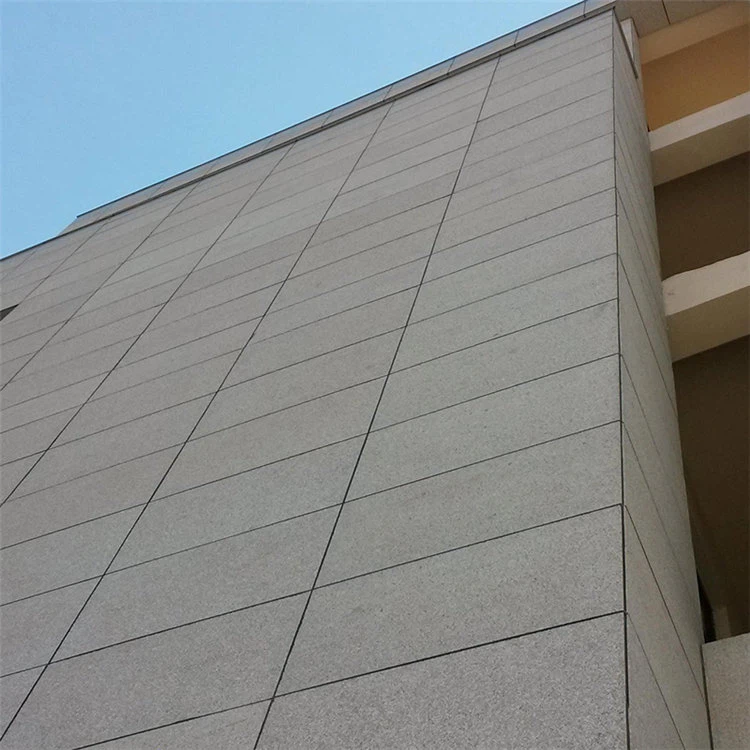
Architects and designers can use the paleontological associations of heterotypic granite as a source of inspiration. They can draw on the patterns and textures found in the rock to create designs that evoke a sense of the past while still being contemporary and functional. For example, a building facade made of heterotypic granite could be designed to mimic the layers of sedimentary rock that contain fossils, creating a visual narrative of the Earth's geological history.
Contact for Procurement and Collaboration
If you are interested in incorporating heterotypic granite into your next project, whether it's a paleontological research display, an architectural masterpiece, or a simple design element, I invite you to contact me for procurement and collaboration. Our company offers a wide range of heterotypic granite products, all carefully selected for their quality and unique characteristics. We can work with you to find the perfect granite for your specific needs and ensure a smooth and successful project.
References
- Blatt, H., Middleton, G. V., & Murray, R. (1980). Origin of Sedimentary Rocks. Prentice - Hall.
- Faure, G. (1998). Principles of Isotope Geology. John Wiley & Sons.
- Prothero, D. R., & Schwab, F. (2014). Sedimentary Geology: An Introduction to Sedimentary Rocks and Stratigraphy. W. H. Freeman.